Woven ground cover fabric is the pro standard for suppressing weeds, conserving water, and keeping growing areas neat—especially in
nurseries, greenhouses, orchards, and landscape beds. This guide explains what it does, where it excels, and how to install it for
long-lasting results.
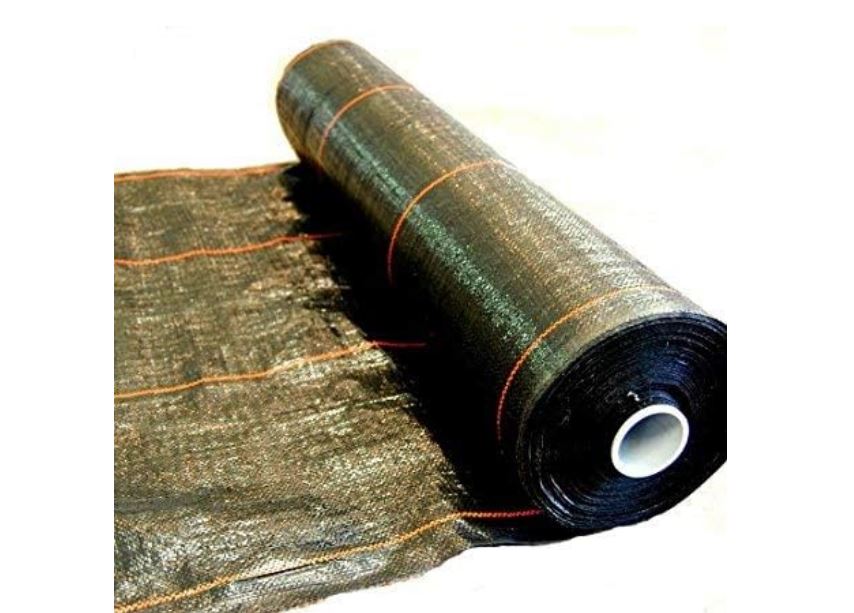
Woven polypropylene ground cover roll
What Is Woven Ground Cover?
It’s a UV-stabilized, woven polypropylene fabric that blocks light to stop weeds while still allowing air, water, and nutrients
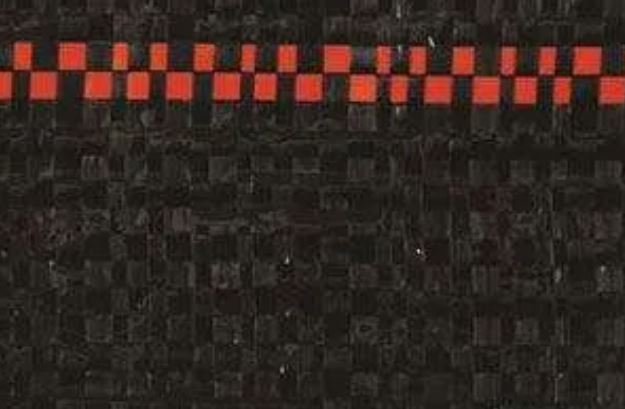
to pass into the soil—so plants thrive without constant hand-weeding. Many pro rolls include alignment stripes every 12 inches to
speed spacing for pots and rows.
Overview: Think of it as a tough, breathable “floor” for your beds and aisles: fewer weeds, cleaner gravel/rock,
and better moisture management with less labor.
Durable weave resists punctures and tears
Why Pros Choose Woven Ground Cover
Superior weed suppression: Blocks sunlight, reducing germination and growth.
Breathable drainage: Lets irrigation and rain percolate—no puddling, less rot.
Durability under traffic: Resists punctures, tears, and weed penetration in high-use aisles.
UV protection: Engineered for extended outdoor exposure; lasts longer when kept covered at edges.
Fast layout: 12" stripes make row spacing and container alignment quick and consistent.
Best-Fit Applications
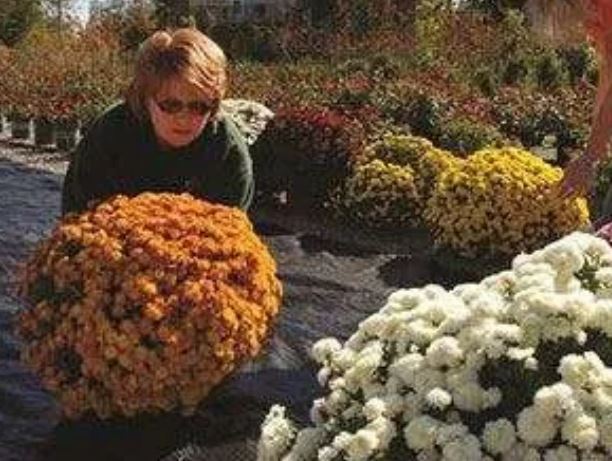
Nursery pads & greenhouse aisles
Landscape rock or mulch beds
Orchards, vineyards & berry rows
Walkways, edging zones & utility strips
Stretch taut, staple edges, and align with stripes
How to Install Woven Ground Cover (Step-By-Step)
Prepare the surface: Remove weeds and debris; grade for drainage. For pads, compact a stable base (e.g., fines or screenings).
Roll out fabric: Keep it flat and tensioned. Align rows using the 12" guide stripes.
Overlap seams: 6–12" typical; go 12–18" in windy sites. Stagger seams away from main traffic lanes.
Secure: Use 6–8" landscape staples every 12–24" along edges and seams (closer in curves/high-traffic).
Edge protection: Use edging or cover exposed margins with rock/mulch to shield from UV and mower snagging.
Cut openings cleanly: Make small “X” cuts for plantings or risers; fold tabs under to reduce fray.
Maintain: Sweep debris and organic buildup to preserve permeability and appearance.
Pro tip: Keep the surface free of soil fines; organic buildup is what eventually invites weeds on top of any fabric.
Case Study: Transforming a Weedy Nursery Pad into a Clean Production Area
Site: 6,000 sq ft outdoor nursery pad with gravel over native clay. Problem: Persistent weeds, muddy aisles after rain, and
labor spent on hand-weeding and herbicide applications.
Solution
Regraded and compacted the base for positive drainage.
Installed woven ground cover with 12" alignment stripes for container spacing; overlapped seams 12" and stapled at 18" intervals.
Protected edges with steel edging and ballast rock; added surface drains at low points.
Results (First Growing Season)
Weed pressure dropped to near-zero; spot-treating limited to edges only.
Faster irrigation dry-down and clean aisles after storms—no standing water.
~50% reduction in labor hours tied to weeding and cleanup; improved presentation for retail customers.
FAQs
Is woven ground cover permeable?
Yes—quality woven covers are engineered to let air, water, and nutrients pass while blocking light for weed control.
How long does it last in the sun?
UV-treated fabrics are tested for extended exposure; lifespan increases when edges are covered and debris is managed.





 Woven Ground Cover Fabric