DeWitt Non-Woven Geotextile Fabric (4 oz) is a professional-grade, needle-punched polypropylene filter fabric engineered for
separation (keeping soil and rock in their lanes), filtration (letting water through while holding back fines), and drainage
(moving water away from structures). In plain terms: it keeps your gravel clean, your drains flowing, and your projects stable.
DeWitt 4 oz Non-Woven: ideal for French drains & filtration
What Is DeWitt Non-Woven Geotextile Fabric?
It’s a needle-punched, non-woven polypropylene geotextile. The needle-punching creates thousands of tiny pathways that allow water to pass
while trapping fine particles. Technical term:permittivity — how readily water flows through a fabric; practically, it means your
drains won’t clog with silt.
Quick takeaway: Use non-woven when you need reliable filtration and drainage (French drains, behind retaining walls, under riprap),
and use woven when you need higher tensile strength for separation under roads and pavers.
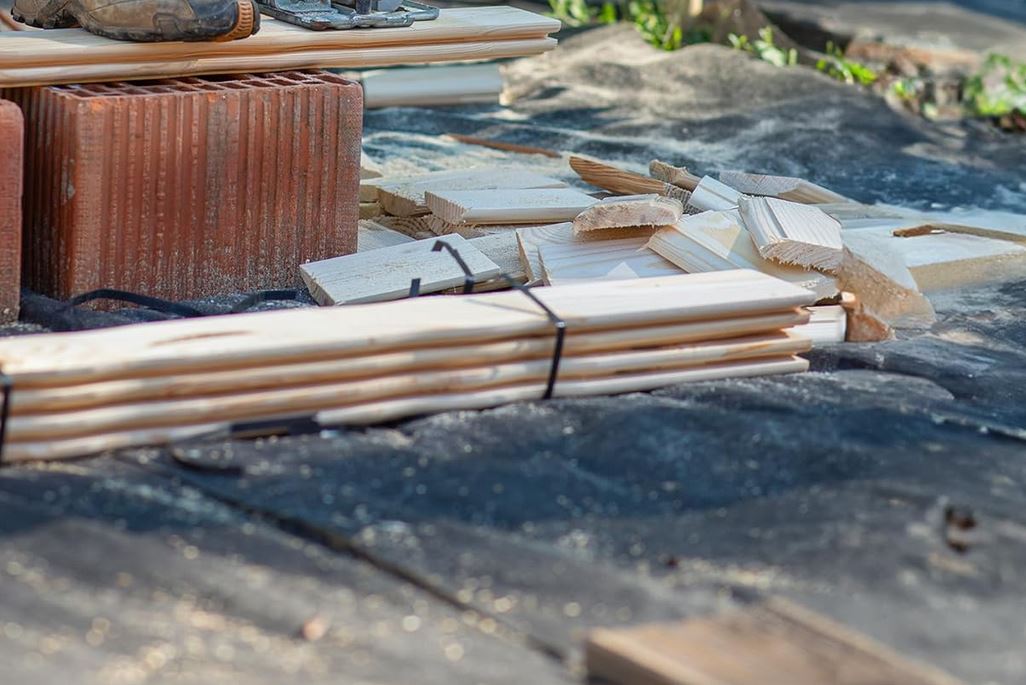
Non-Woven Fabric Installation
Best-Fit Applications for the 4 oz Non-Woven
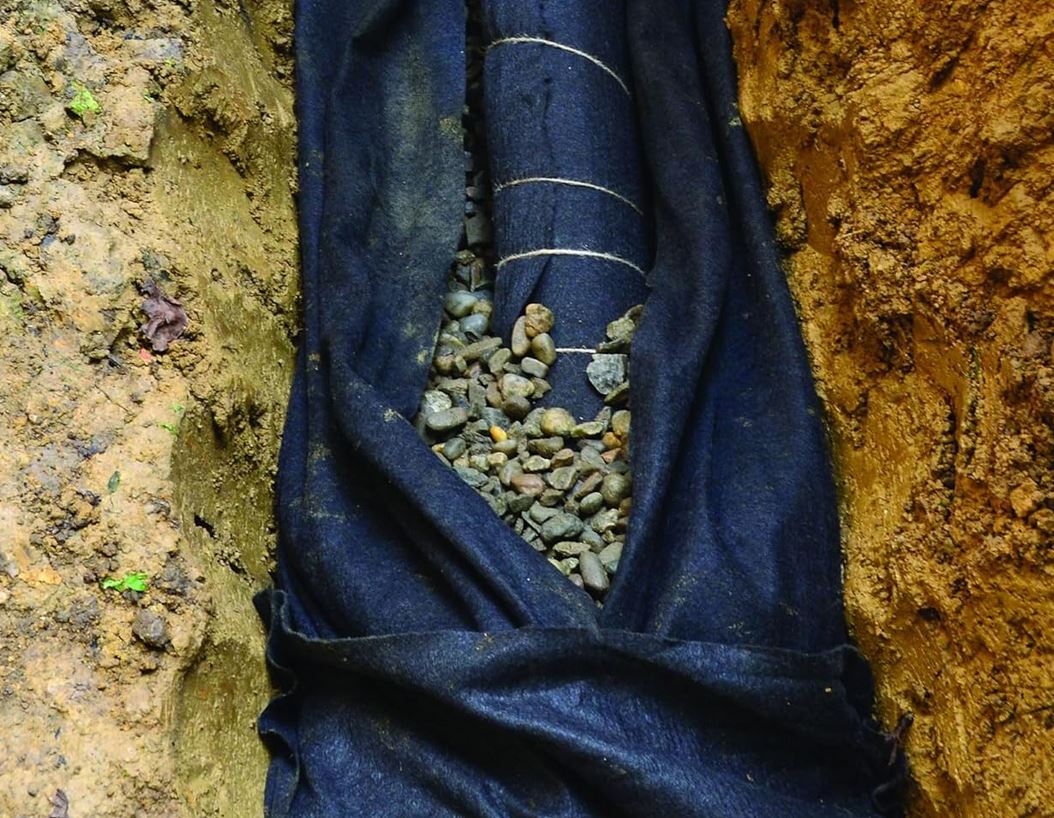
French drains & trench drains: Wrap the aggregate to prevent soil intrusion and piping.
Behind retaining walls: Vertical separator between drainage stone and native soil for long-term flow.
Under riprap & erosion control stone: Filtration layer that resists scour and washout.
Driveway edges & culvert outlets: Protects subgrade from fine migration, supporting drainage.
Key Advantages
High filtration capacity: Needle-punched non-woven passes water but retains fines.
Clog-resistant: Three-dimensional fiber matrix resists blinding under variable flows.
Durable & easy to shape: Conforms around pipes, boulders, and tight corners without kinking.
Cost-effective: Reduces callbacks by protecting drains and aggregate from contamination.
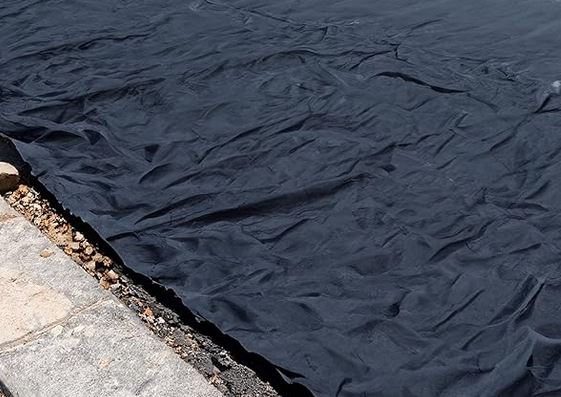
Roll formats for easy handling and continuous coverage
How to Install (Step-By-Step)
Prepare subgrade: Excavate to line/grade; remove organics and sharp objects. Ensure positive drainage.
Place fabric: Roll out smooth and taut with minimal wrinkles. For trenches, line the base and sides.
Overlap seams: 12" typical (18–24" in very soft soils). Keep overlaps in the direction of flow where possible.
Secure: Use 6–8" landscape staples every 12–24" (closer in curves/wind). Avoid stretching holes over protrusions.
Add aggregate: Place clean, angular stone over the fabric—do not drive equipment directly on exposed fabric.
Wrap & close: For drains, fold fabric over the top of the stone to create a continuous “sock.” Backfill to grade.
Pro tip: Use clean, washed stone; sediments in the aggregate defeat the purpose of filtration.
Case Study: French Drain Retrofit Behind a Failing Garden Wall
Site: 38-ft garden wall on a sloped backyard. Problem: Seasonal saturation pushed fines into the gravel zone, clogging the
perforated pipe and leaving water stains on the wall face.
Solution
Excavated behind the wall and removed silted stone and pipe.
Installed DeWitt 4 oz non-woven geotextile as a vertical separator behind the wall and as a full wrap around the new drain trench.
Backfilled with clean, angular #57 stone; wrapped the top to close the “envelope”; restored grade for surface runoff.
Results (6 Months Post-Install)
Continuous flow in the outlet during storms; no standing water.
Zero fines observed in the clean-out—filter remained free-draining.
Visible salt staining on the wall face stopped; landscape beds remained stable.
FAQs
When should I choose non-woven over woven?
Choose non-woven for filtration and drainage (French drains, behind walls, under riprap). Choose woven when tensile separation
is the priority (under paver bases, roadways).
Can I use this fabric under gravel paths?
Yes—especially when the goal is to keep soil fines from pumping up into the gravel while still allowing stormwater to infiltrate.
How much overlap do I need?
12" is typical; increase to 18–24" in soft subgrades or where settlement is expected. Always keep the fabric continuous around drains.





 Dewitt Non-Woven Geotextile Fabric