Dewitt Sunbelt is a professional-grade, woven ground cover designed to block weeds while letting air and water reach plant roots. This guide explains what it is, when to use it, how to install it, and includes a real-world case study for your proposals.
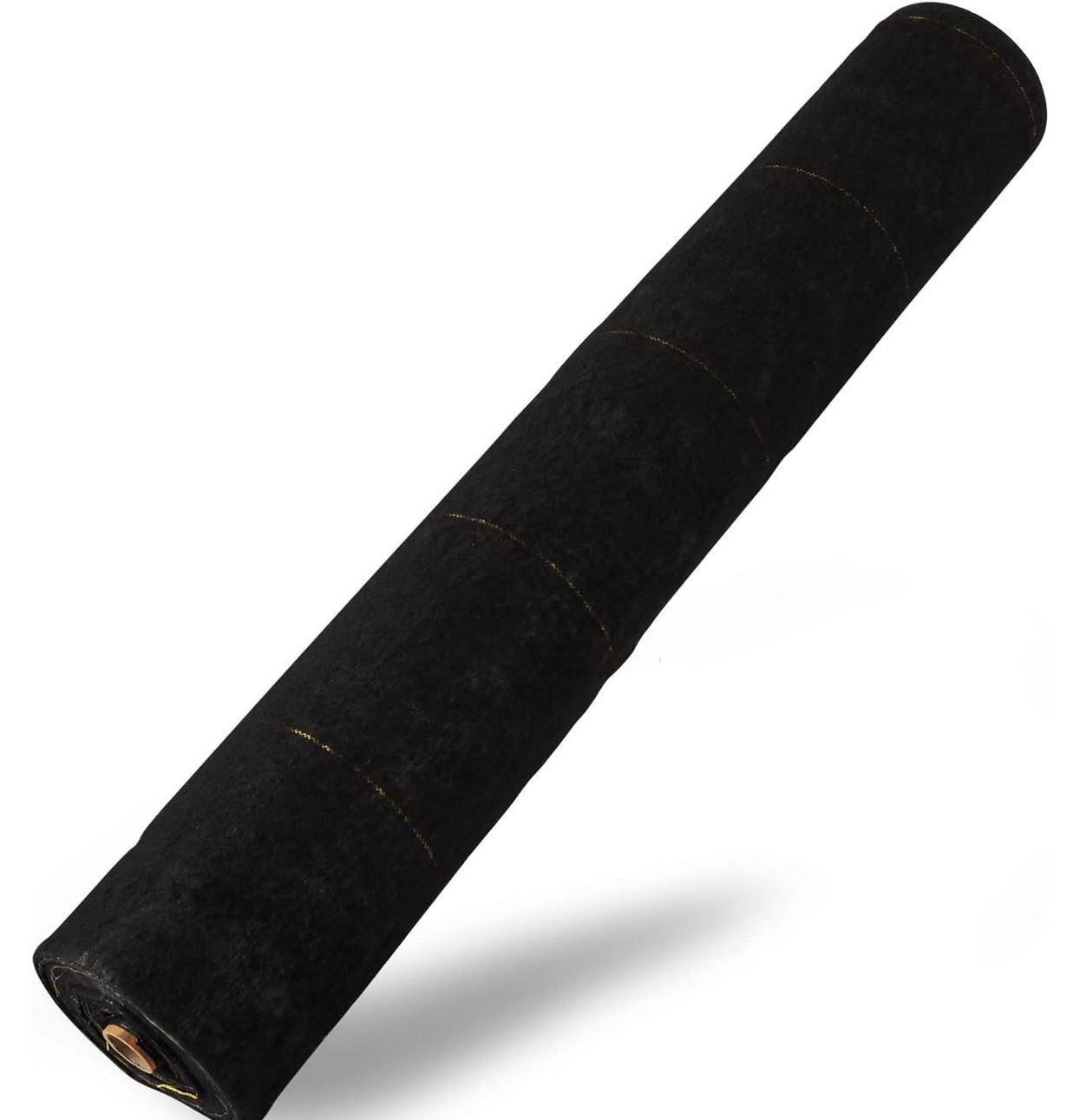
Sunbelt 3.2-oz woven ground cover roll ready for layout.
What Is Dewitt Sunbelt?
Dewitt Sunbelt is a 3.2-oz woven polypropylene fabric that resists tearing, puncturing, and weed penetration—engineered for greenhouses, outdoor displays, and landscape beds where a clean, weed-free surface is essential. It includes 12-inch alignment stripes and is UV-stabilized for durability in direct sun.
In plain terms: Sunbelt blocks the light weeds need to germinate while still allowing air and water to pass through so your plants can thrive—making it ideal for professional installations that need long-term, low-maintenance performance.
Key Benefits
Commercial durability: 3.2-oz woven PP stands up to foot traffic, carts, and pot-in-pot movements.
Weed suppression: Blocks light to stop germination while remaining permeable to air and water.
Fast layout: Stripes every 12" keep rows straight for nurseries and market gardens.
UV-stabilized: Built to last in full sun without rapid degradation.
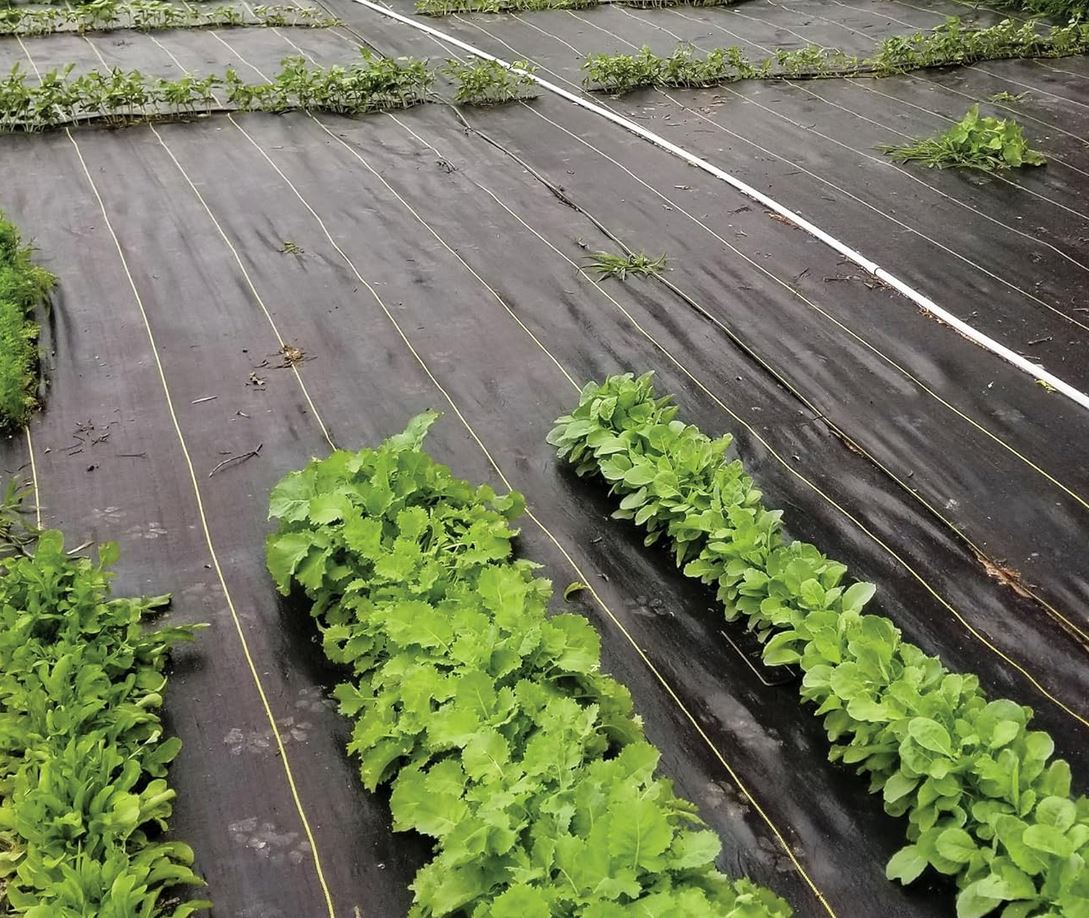
Woven fabric with 12″ alignment stripes in a garden setting.
When Should You Choose Sunbelt?
Great Fit
Greenhouses and hoop houses needing clean aisles and pot stability.
Retail outdoor displays where appearance and weed control matter.
Landscape beds and pathways that benefit from permeability vs. plastic sheeting.
Consider Upgrades If:
You need heavier duty weed exclusion (e.g., 5-oz woven or hybrid options for extreme pressure).
Edges are exposed to wind uplift—plan for robust edging pins and overlap.
Core Specs at a Glance
Weight: 3.2 oz/sq yd woven polypropylene.
Permeability: Allows air & water through; blocks light to suppress weeds.
Stripes: 12″ planting/spacing guides.
UV Stabilization: Designed for longevity in direct sunlight.
Common Rolls: Multiple widths/lengths (e.g., 3', 4', 6', 10', 15.5' widths depending on supplier).
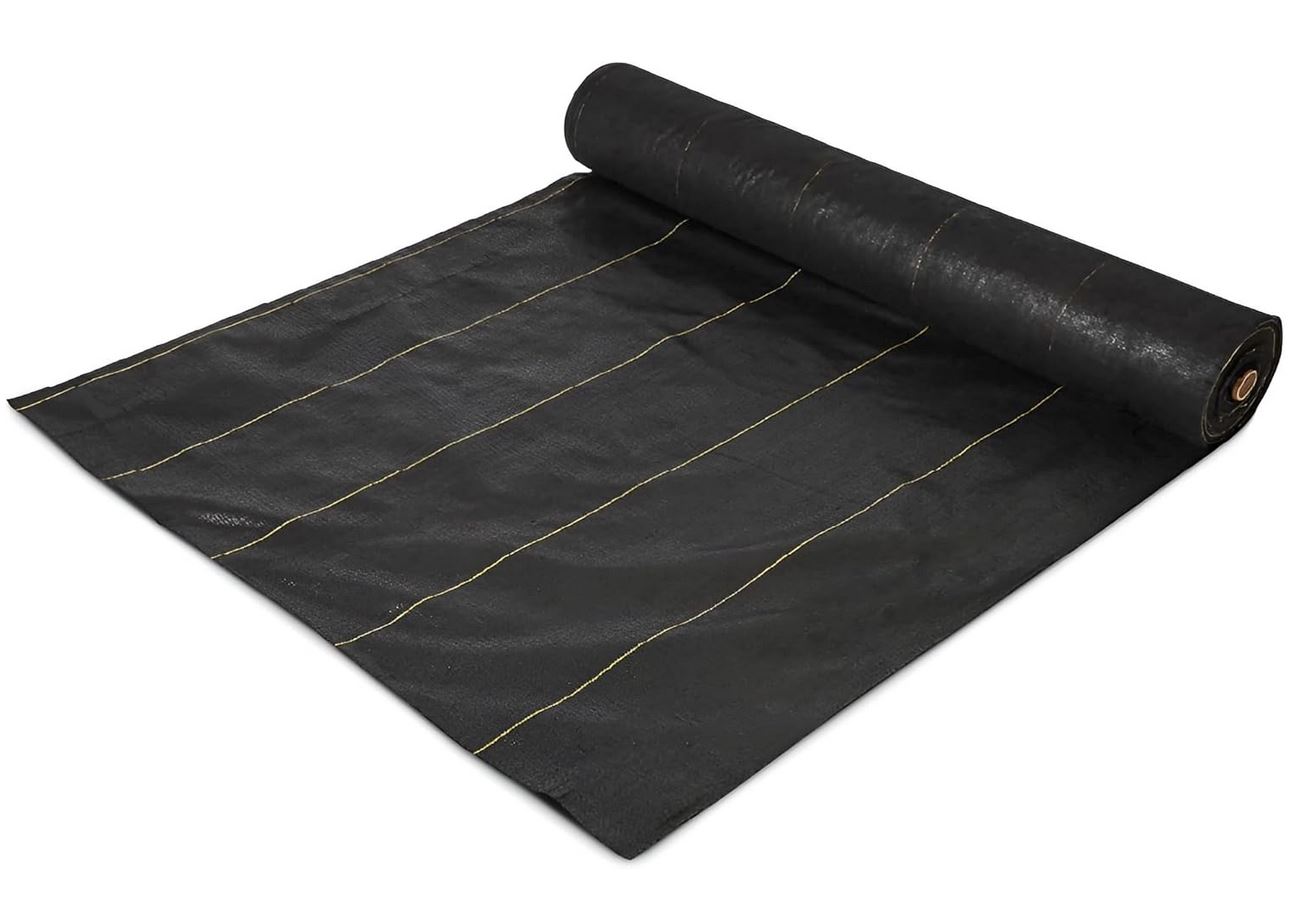
Unrolling Sunbelt along a bed before pinning and overlapping seams.
How to Install Sunbelt (Step-by-Step)
Grade & smooth: Remove sharp debris; lightly compact to prevent fabric “telegraphing.” Unroll with the stripes aligned to your rows or bed edges for clean lines. Overlap seams 4–6″ minimum; increase to 8–12″ on loose soils or slopes. Pin edges & seams: Use 6–8″ landscape staples every 12–24″; tighten spacing in windy areas or high-traffic aisles. Cut X-slits for plant holes (not circles) to maintain fabric tension and reduce fraying. Edge protection: Where edges are exposed, tuck or cover with mulch/aggregate to reduce UV and uplift while keeping permeability benefits.
Maintenance & Best Practices
Inspect pins and overlaps each season—re-pin any lifted sections.
Keep debris off the surface so water can pass freely.
If using mulch over fabric, maintain a thin, clean layer to avoid organic buildup that could allow weeds to root above the fabric.
Remember: woven ground cover aims to balance weed suppression with root-zone health by letting air and water through—this is where Sunbelt shines in pro settings.
Case Study — Greenhouse Aisles & Outdoor Display Pads
Scope: 12,000 sq ft of aisles and 4,500 sq ft of outdoor display pads. The site previously struggled with weeds and muddy walkways after irrigation.
Solution: Installed Dewitt Sunbelt over graded sub-base with 4–6″ overlaps and staples at 18″ spacing (12″ at perimeter). Stripes used to align pot rows and signage. No gravel cap was used to retain permeability.
Outcome (first season): Weed control improved dramatically, aisle safety increased, and cleanup time dropped. Staff reported better drainage and fewer slipping hazards after irrigation and storms. The owner plans to extend Sunbelt to propagation zones next spring due to the clean, professional look and reduced maintenance. (Use this as a template in proposals.)
Project-Fit Snapshot
Ideal for greenhouse floors, retail pads, pathways, and landscape beds needing long-term weed suppression.
Choose widths that reduce seams; align stripes for straight rows and consistent spacing.
Pin generously in windy or high-traffic areas; maintain overlaps on slopes.





 Dewitt Sunbelt Ground Cover Fabric